About.
“There are worse places.” When people ask me about where I grew up, this is what I tell them. I grew up in rural Ashtabula County, Ohio, as the child of a Cleveland-born American mother and an Indian Tamil immigrant father. The only way to get to my house was on an unpaved road surrounded by trees and cornfields (hay or soy, depending on the year).
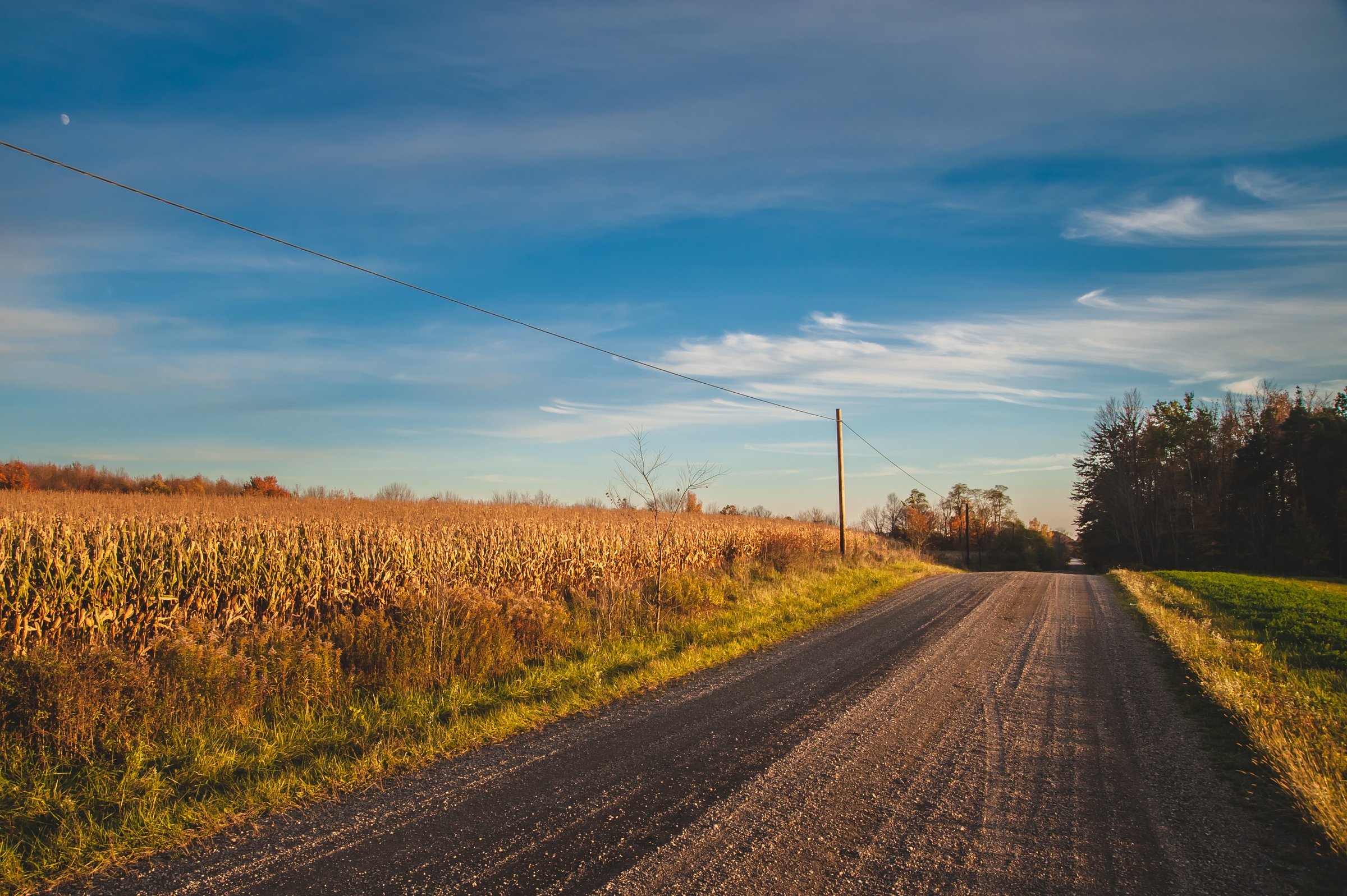
Many years after I moved out from Dorset, I read article after article on rural places left behind and all the stereotypes that come with it. After the 2016 election, the only thing I heard about rural places in public discourse and media coverage was how they were conservative havens that bred extremists and people who voted against their own interests. Sure, some of that was true, but that tired story really didn’t cover my experience and I imagined it did not cover that of others either. So, over a period of 6 years, I conducted more than 65 interviews with people living in these areas including hunters, farmers, pastors, historians, researchers, gardeners, small business owners, and more about their experiences, challenges, and desires for the future. Many residents I spoke to came from backgrounds not typically associated with rural spaces. They identified as Black, or Asian, or Queer, or Hispanic, or a host of other identities.
I conducted qualitative interviews with residents across Northeast Ohio, Western Pennsylvania, Southeastern Michigan, and northern Indiana, which formed the empirical core of the project. Interview subjects include people whose stories the dominant Rust Belt narrative tends to leave out, including residents of color and LGBTQ+ residents of small rural communities. Coupled with landscape, policy, and geospatial analysis, the project has grown into a platform to understand rural places outside of dominant political discourse.